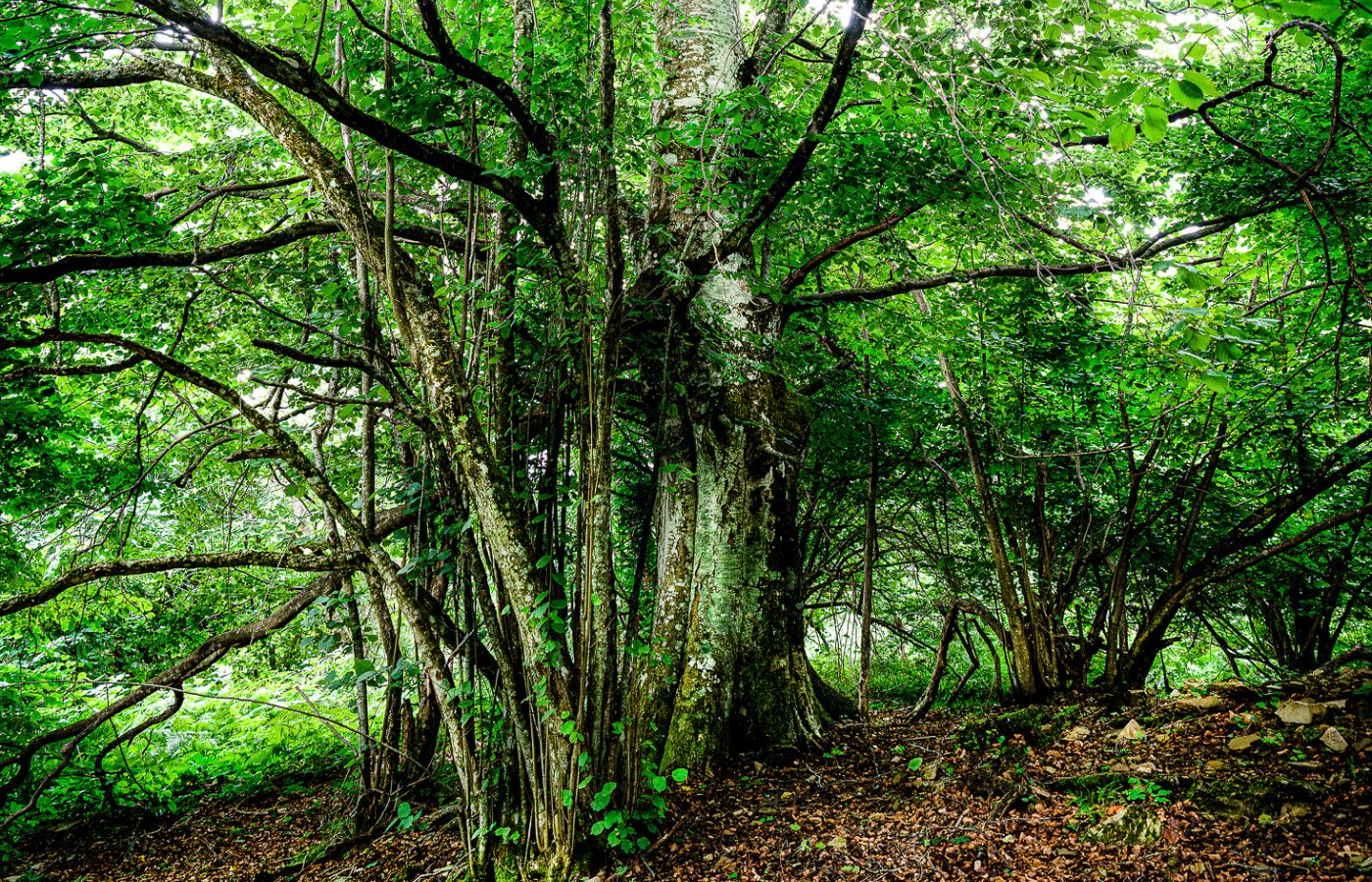
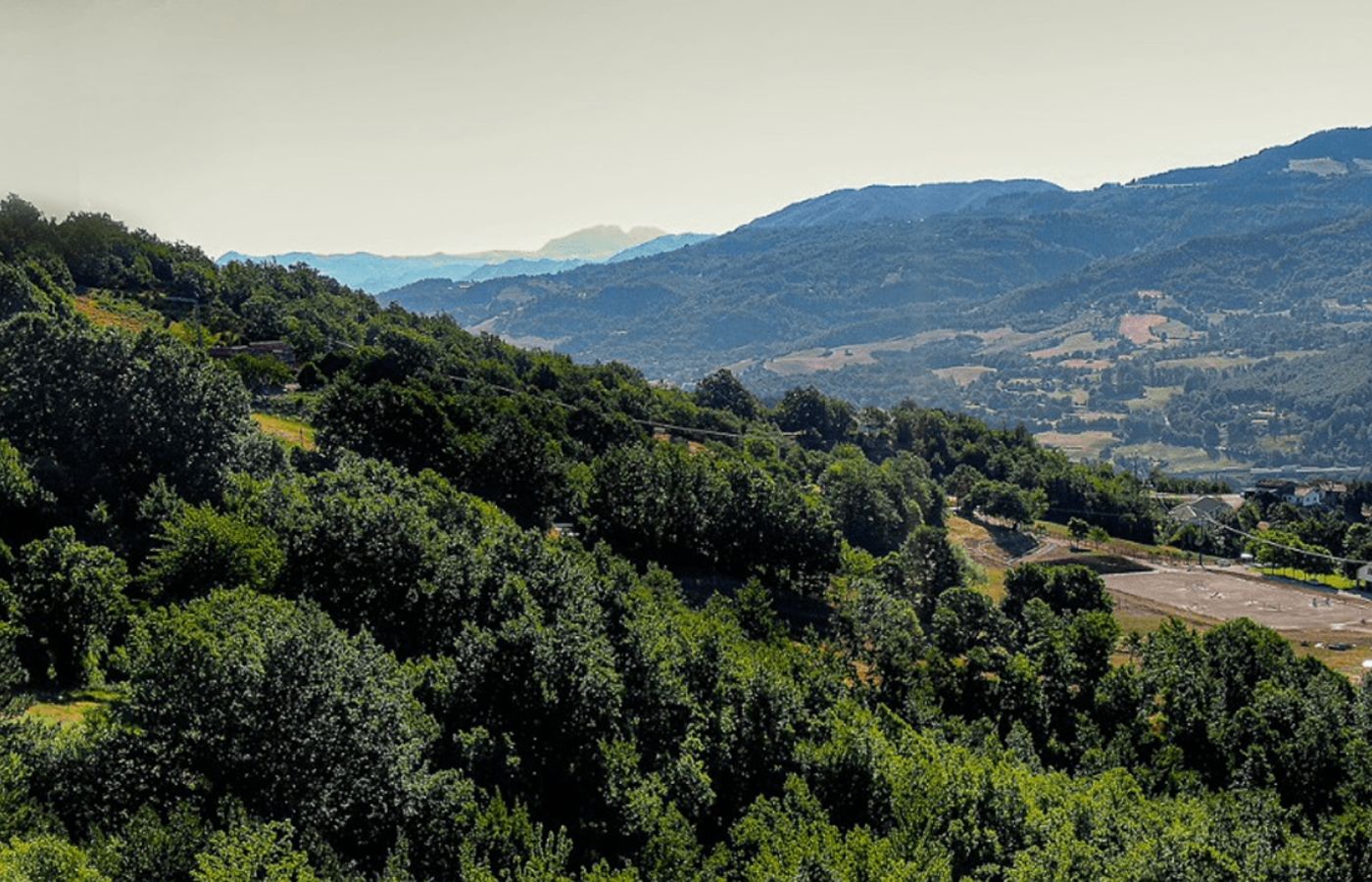
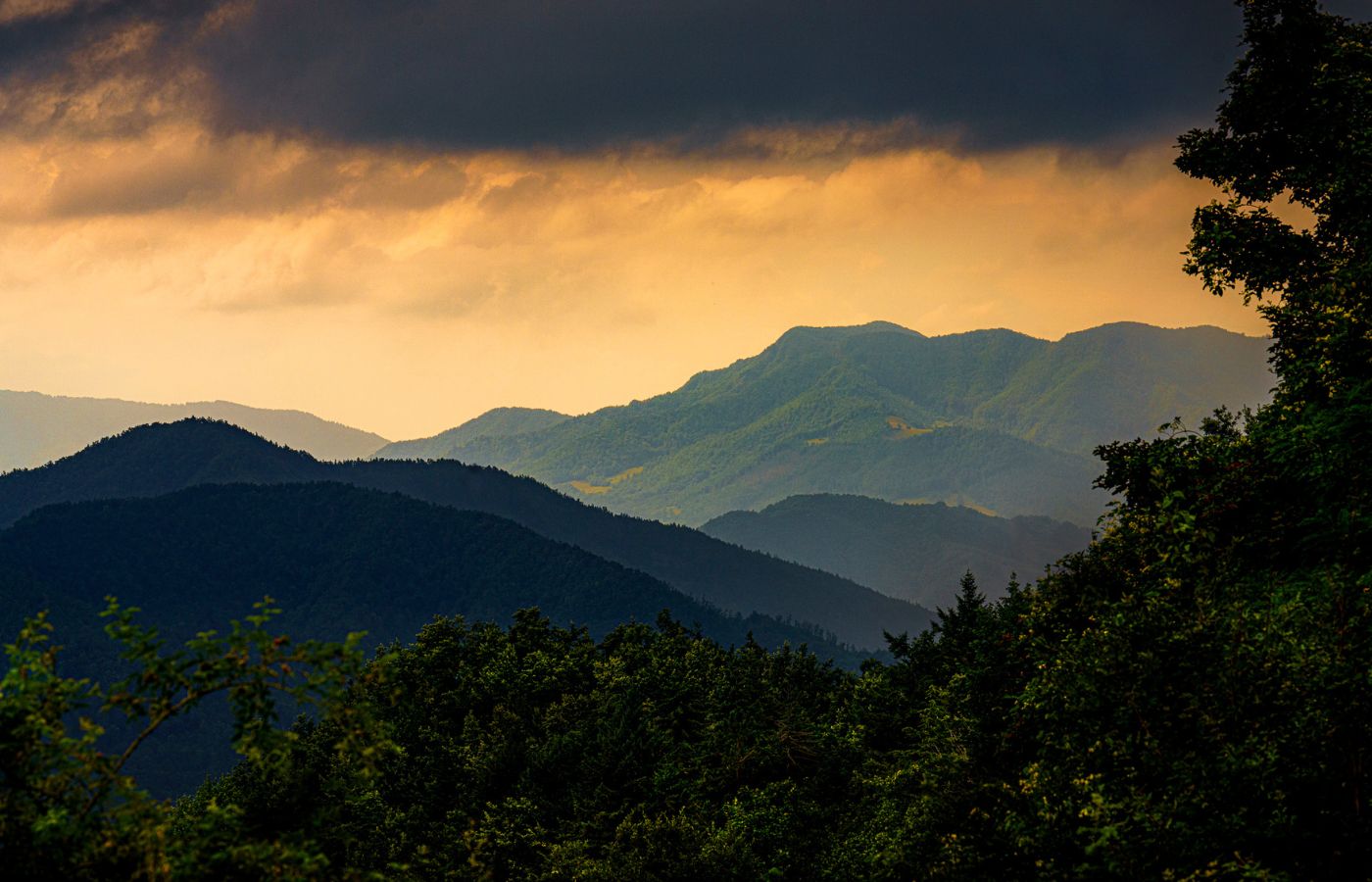
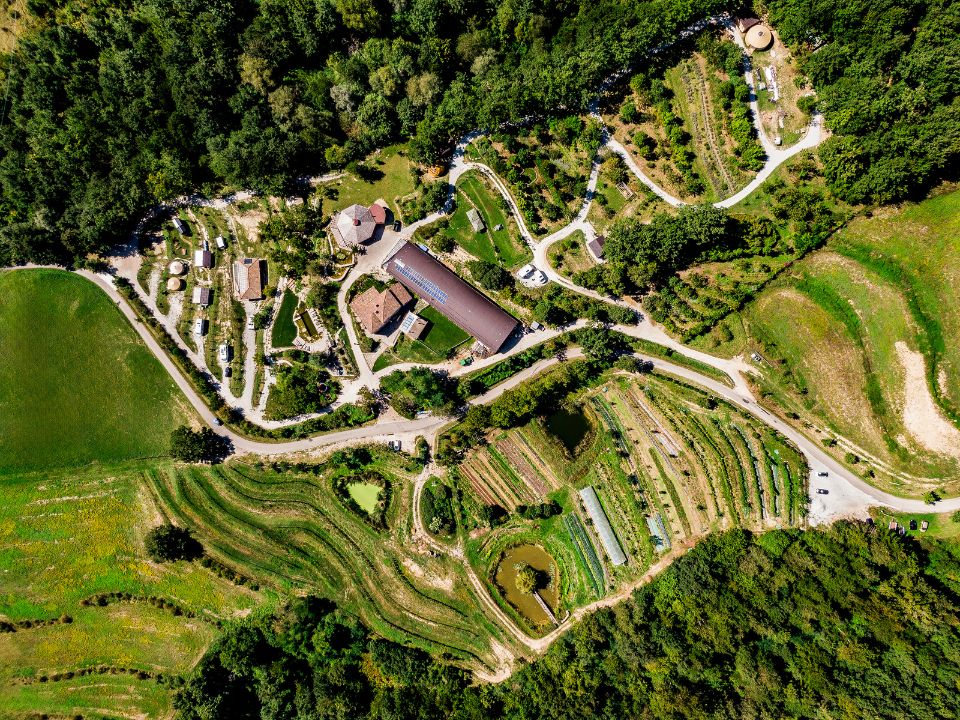
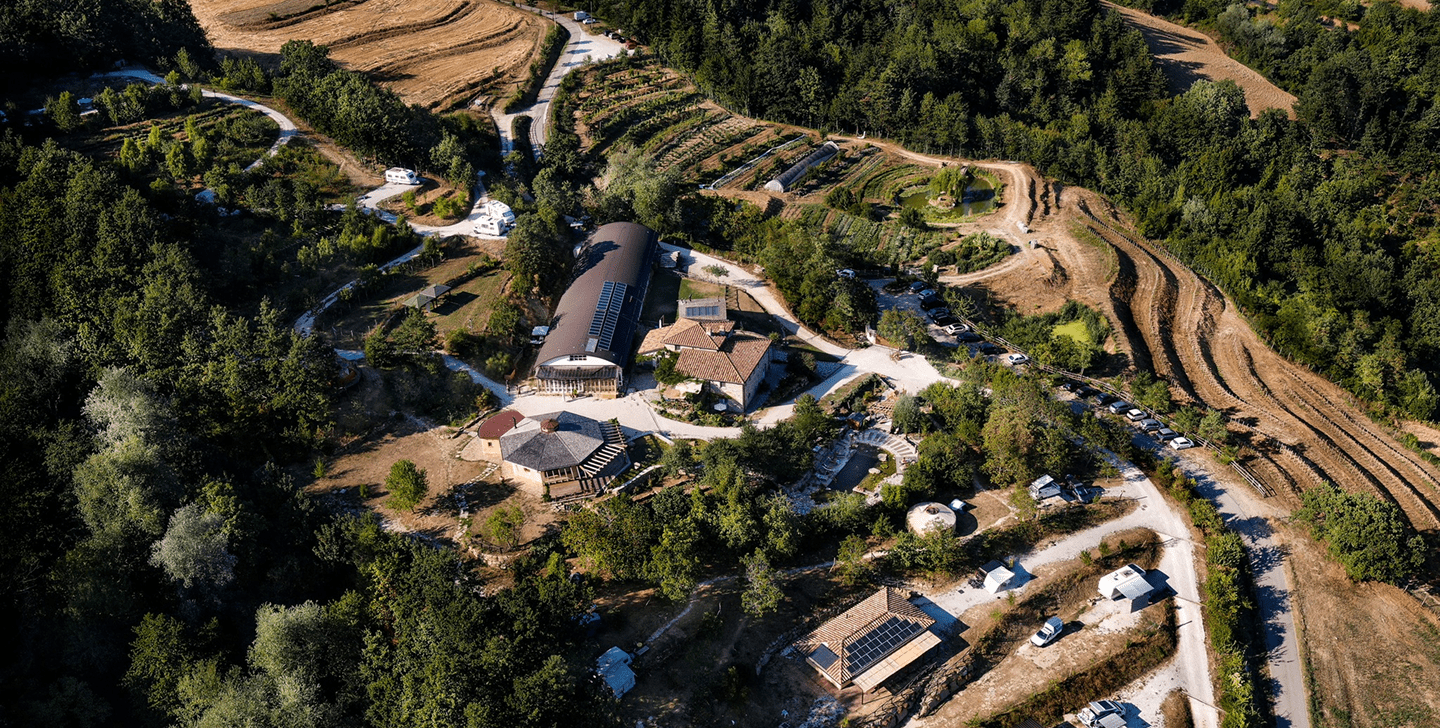
When Macrolibrarsi began taking care of this land in 2009, the hill still spoke the language of livestock farming: polyphytic meadows intended for fodder, pastures for beef cattle, a simple economy that had left visible marks on the landscape.
The prevailing south-easterly exposure provides gentle light and temperate seasons. The dominant wind arrives from the south and is known simply as “il vento”, a constant presence that dries the air and moves the tree canopies.
The soil here is never the same: it changes face, colour and consistency.
It is a medium-textured soil tending towards silt, rich in stones and with a slightly alkaline pH.
In the land surrounding the farm centre, the young soil derives from an ancient landslide that mixed the layers down to the deep rock.
Higher up, however, the rock emerges almost immediately, shaping a more essential landscape, where the mountain reveals itself without veils.
Precipitation brings between 1,000 and 1,300 mm of water each year, mainly in autumn, winter and spring.
Summers are often dry and teach the art of essential care.
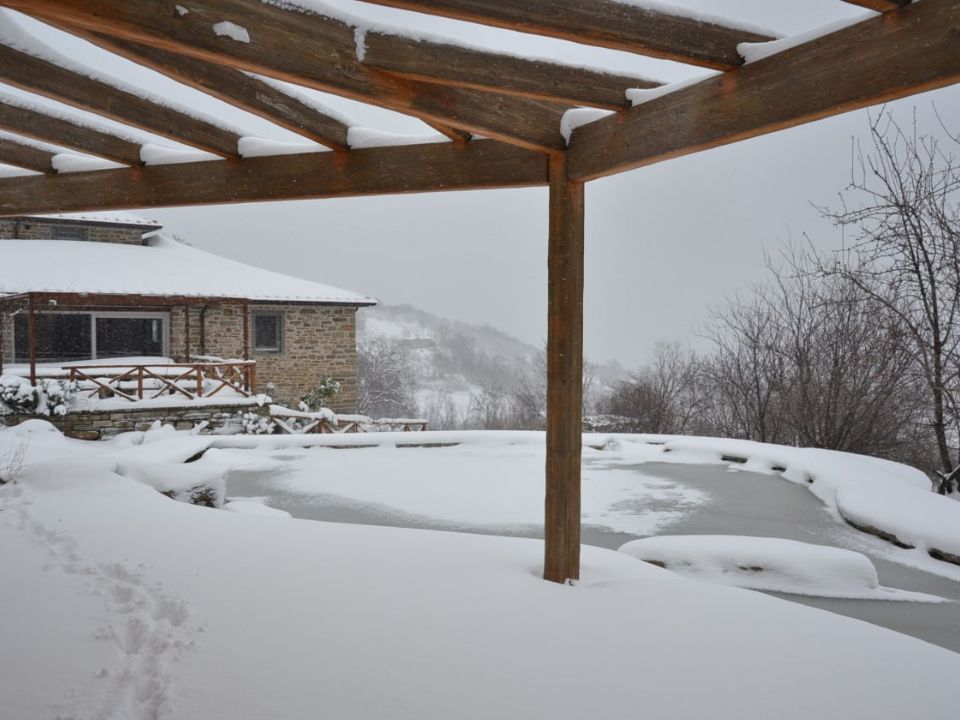
Snow, once more generous, now arrives more rarely and remains only briefly on the sun-facing slopes.
Water, however, is not lacking: this is a land crossed by natural springs, small subterranean gifts that nourish the life of the hill.
Only in the most severe summers do the streams thin out until they almost disappear, reminding us of the importance of careful and respectful management of every drop.
Return to living in balance and harmony with nature
Subscribe to the newsletter