
What is the first image that comes to mind when someone says “spring”?
Spring is the time of awakening from winter’s slumber, the time when nature erupts in every form. By definition it is the season of flowering and abundance.
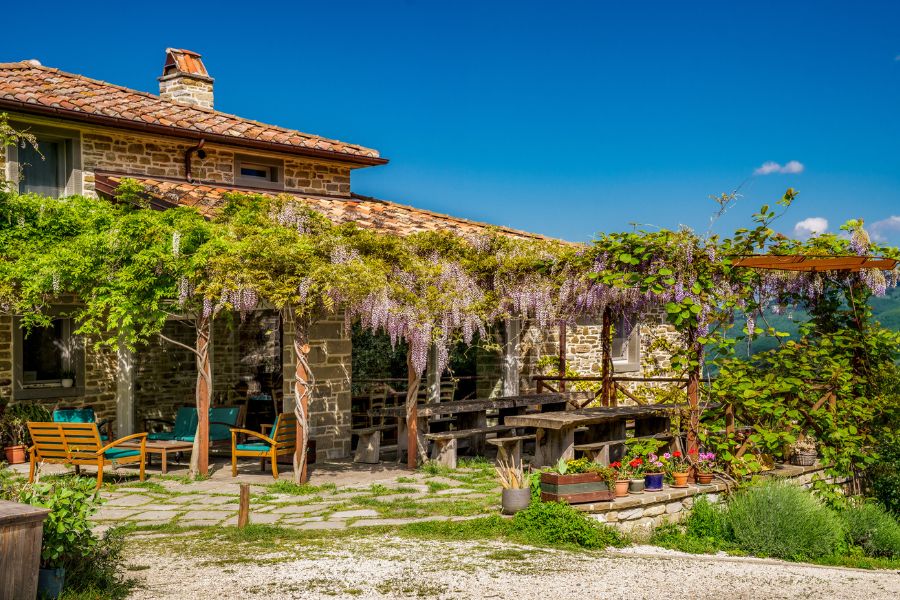
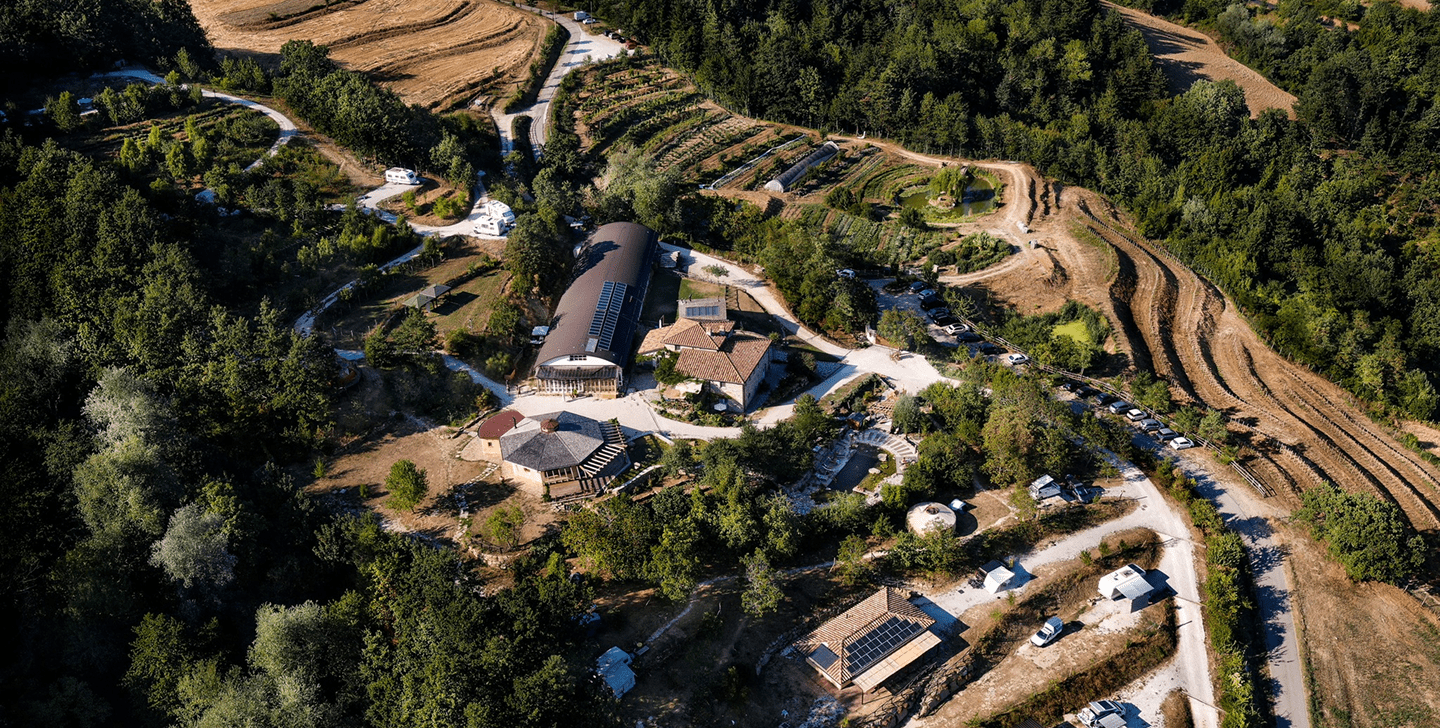
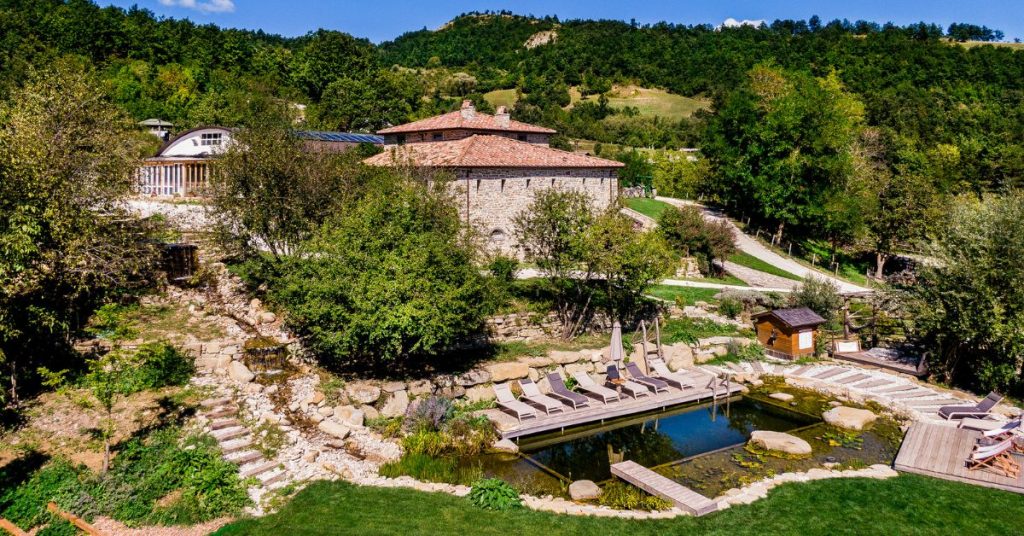
The Autosufficienza Centre is situated in the hills of the Tuscan‑Romagnolo Apennines, surrounded by 110 hectares of forest. Every year we experience the seasons in their fullest expression, and we believe it is essential for humans to learn to dance with them. Besides being vital for health, it’s also a lot of fun: hunting for rosehip berries in winter to make jams and mother tinctures, gathering calendula in spring to prepare wonderful oleolites, or harvesting lavender in summer to obtain its precious essential oil. In short, with all this abundance and variety, we certainly never get bored here!

Our legendary azdora Franca prepares, week after week, every kind of traditional Romagnolo delicacy—from piada and tortelli to lastra, from tagliatelle to ravioli (always made with eggs from happy hens!). She also works on jams, preserves, pickles, and fermented vegetables, using the gifts the earth provides.
What will she have invented this time?
Attention, attention…
Today she will share her recipe for elder‑flower syrup! And, true to the Romagnola spirit of never letting anything go to waste, she will also reveal two more preparations that use the same ingredients, allowing you to experiment freely in the kitchen.
First, a quick note about the elder flower:
Usually it is harvested from late April through May, depending on altitude. Here, at 700 m above sea level, we pick it in May; this year, thanks to abundant rains, the season stretched longer. Ideally the flowers should be gathered away from the rain, otherwise the pollen gets washed away and the blossoms lose fragrance.
Many people discard the mixture of flowers and lemons that is used to make the syrup—what a waste!
Today I’ll show you how to turn that mixture into a jam you’ll want to lick the whiskers off, and I’ll also give you a few tips for preparing elder‑flower sparkling wine to serve your guests as an aperitif. Ready?
Elder‑Flower Syrup
Ingredients
- 2 L water
- 25 umbels (flowers) of elder (Sambuco)
- 1 kg organic whole cane sugar
- 9 organic lemons
- 100 ml organic apple cider vinegar (a good alternative to citric acid as a preservative)
Procedure
- Place the water on the stove and, as it heats, dissolve the sugar into it. Let the mixture cool, then add the apple cider vinegar and you’re set.
- Prepare jars for the elder flowers. First remove the green parts—that’s the recommendation. Lay the flowers at the bottom of the jar together with lemon slices (seedless!), then pour the cooled water‑sugar‑vinegar mixture over them.
- Seal the jars and let them rest for three days, stirring occasionally.
- After three days, strain the liquid through a linen cloth or sterile gauze and pour the resulting syrup into glass bottles.
- The bottle will keep for a few weeks in the refrigerator. If you want to vacuum‑seal it, treat it like canned tomato sauce—you do remember how?!
And that’s it! With elder‑flower syrup you can craft a variety of drinks and cocktails for your friends—and that’s saying something!


Elder‑Flower and Lemon Marmalade
- After you have filled the bottles with the syrup (see step 4 in the previous recipe), you will be left with a mixture of elder flowers and lemon peel. Instead of discarding it—as you might be tempted to do—you can turn it into a truly spectacular marmalade.
- Blend the residual flower‑lemon mixture and add 200 g of organic whole‑cane sugar per kilogram of the blend.
- Transfer the blended mixture to a saucepan and bring it to a boil, stirring regularly.
- Once it has boiled sufficiently and reached the desired consistency, pour the hot marmalade into sterilised glass jars, sealing them under vacuum. And it’s ready!
Elder‑Flower Sparkling Wine
Ingredients
- 6 L water
- 25 umbels (flowers) of elder (Sambuco)
- Juice (seed‑free) and zest (yellow part only) of 6 organic lemons
- 750 g organic whole‑cane sugar or 600 g sugar plus 200 g sultana raisins
Procedure
- Bring the water to a boil, dissolve the sugar, and let the solution cool.
- Combine all the ingredients in a container with a snap‑on lid and place it in the sun to ferment. Allow fermentation to continue until bubbling stops (typically 6–8 days, depending on temperature).
- Filter the mixture and pour it into bottles capped with crown caps. The sparkling wine is ready to drink after 20–25 days.
- Keep in mind that it has a short shelf‑life; store it in the refrigerator. If you forget, it will turn into vinegar—so enjoy it promptly.