


What we sow today, we will reap tomorrow
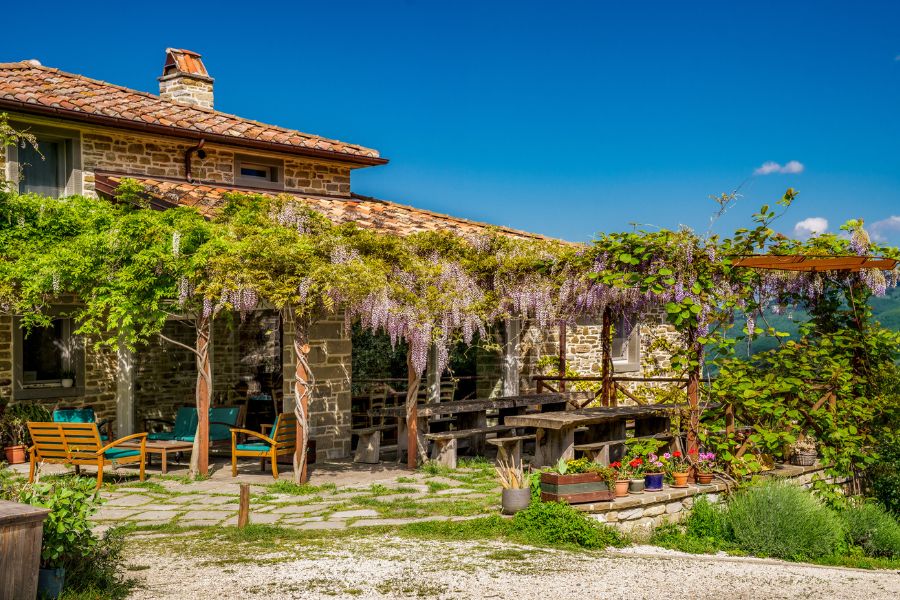
Since I was little I tried to imagine what would be the most beautiful job in the world. Initially I said I would have liked to be a woodcutter. Then I changed my mind, I wanted to become a forest ranger. I enrolled at the Professional Institute for Agriculture and the Environment with precisely this intention but after 2 years I changed my mind again. At 19, newly qualified I decided to enrol in Tourism Economics because I liked the idea of travelling. At 20 however I was catapulted into managing the family business and so I convinced myself that I wanted to be an entrepreneur and began to study for this. At 24 I purchased together with my family 70 hectares of land and so I decided I would become a farmer. Today at 33, I’m an entrepreneur, a farmer, a woodcutter, I manage a farm stay and everything I had thought of individually exists simultaneously. I love what I do but even more I love the idea of designing the most beautiful place in the world.


Thinking 200 years ahead
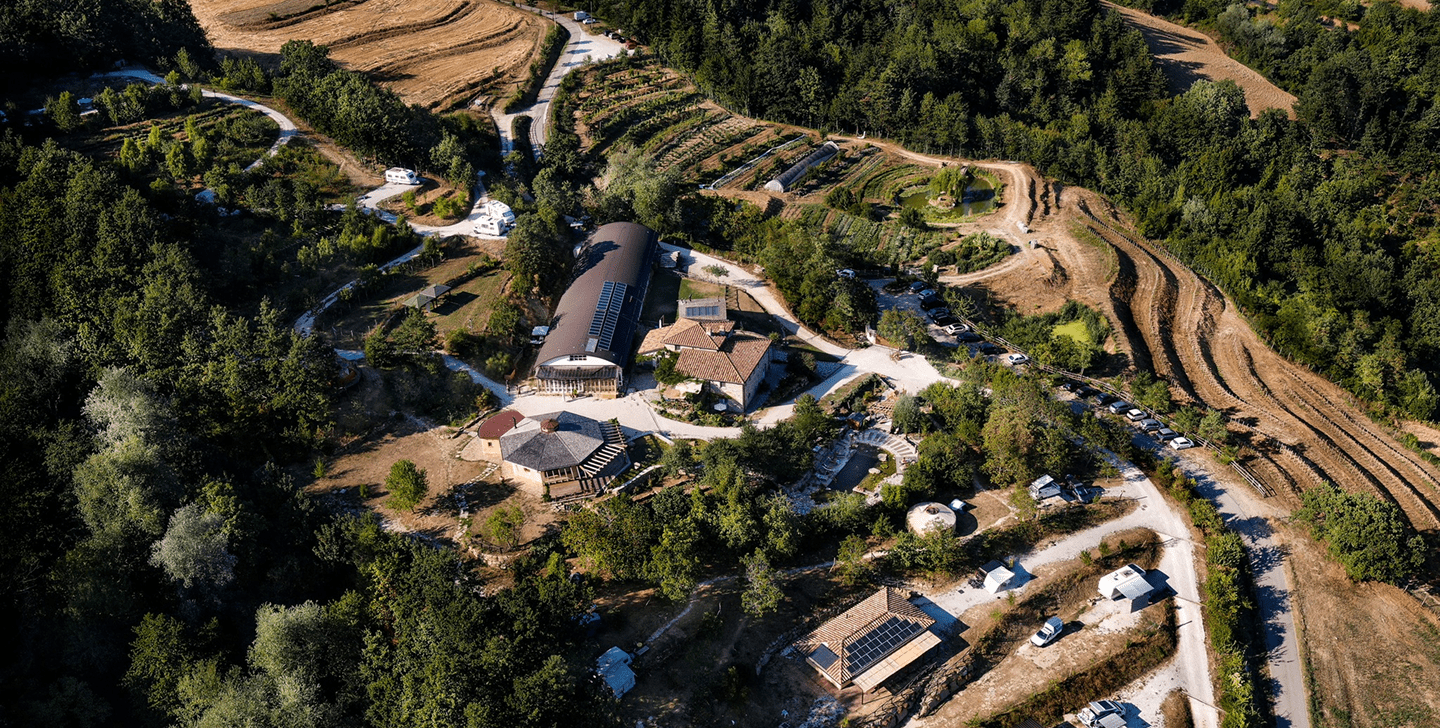
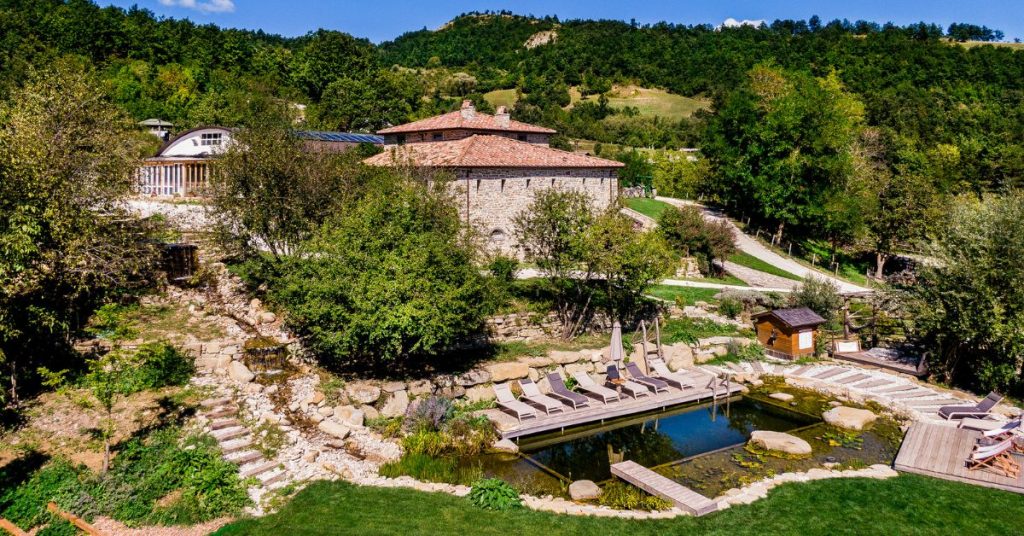
Gandhi said “Be the change you want to see in the world“, and this is precisely my intent and what makes me happy. Every day I have the possibility to shape or “not shape” 70 hectares of a piece of mountain with the objective that it becomes the quintessence of rural idyll, a new world. Healthy and happy people, buildings integrated with nature and aimed at saving energy and resources, sustainable and self-sufficient agriculture, great biodiversity, lakes, streams and water features, trees, flowers, natural meadows, terracing, dry stone walls, wild animals and birds, paths in the woods… So much natural beauty!
This will not be my land forever, everything we own is with us for part or all of our life, but in any case for a very limited period and destined to end. However I like the idea of being able to do something that future generations of human beings will enjoy, but also future generations of animals, trees, insects, fungi, fish, birds… Thinking for future generations is complicated but at the same time extremely stimulating and fun. A few weeks ago, for example, planting sequoias, we were reasoning about the growth of these beautiful trees and we asked ourselves: “In 200-300 years will they be able to create problems for the road?”. But the immediately following question was: “Will the road still be here in 200 years?”.
Everything we own is with us for part or all of our life, in any case for a limited period and destined to end. I like the idea of being able to do something that future generations, human and animal, will enjoy.


A new idea for a new world
Today we still live in a world that is driven by gross domestic product, which translated means the more we waste the richer we become. Concreting, polluting, making ill, dirtying, destroying, waging wars are all activities that increase money transactions and therefore end up on the positive side of the balance sheet. In the balance sheet the costs for future generations are never considered, the costs of restoring the previous situation, social costs, the costs of climate change but above all the cost of an unhappy life. Almost all of us now know that the “American way of life” doesn’t lead to happiness but rather to depression, illness and destruction but despite this we struggle enormously to find alternatives and often we are also frightened by them.
We are led to think that to change the world we must do sensational actions like revolutions and wars but in reality many of the most epochal changes in the history of humanity have occurred without us almost noticing them, without any newspaper talking about them. The change in people’s consciousness and habits is what can truly change the history of Earth and Humanity.
Landowners who protect nature and its resources are increasing and this gives me good hope: we will have paradise on earth again.
Going back to go forward
About forty years ago, a small group of people, amongst whom my family, chose, without carrying out any revolution and war, to change their lifestyle. To live in a more integrated way with nature, to pay attention to what one eats and above all to eat food grown without chemical substances, to treat oneself naturally.
Then we were considered crazy fanatics and talking about organic was like talking about one of the most dangerous religious sects. Today no one is scandalised if you talk about organic and many share the thought that spraying poison on what we eat and drink is not good for our health. Then talking about home birth was seen as madness, finally everyone had the possibility to give birth in hospital with all the safety measures, why should one make the opposite choice? Today it’s the health institutions themselves that help you in case you choose to give birth at home, making available an ambulance outside the house and the possibility to receive a reimbursement of expenses. Then making a vegetable garden was something dirty and for the poor, today making a vegetable garden is a luxury that not everyone can afford. They may seem small things but in reality they indicate an important change in people’s consciousness that is visible in all fields.
Today probably there are still not many farms and landowners who try to create a natural paradise, but they are greatly increasing and this gives me good hope that nature will have its revenge on the artificial world. We will have paradise on earth again.
Francesco Rosso